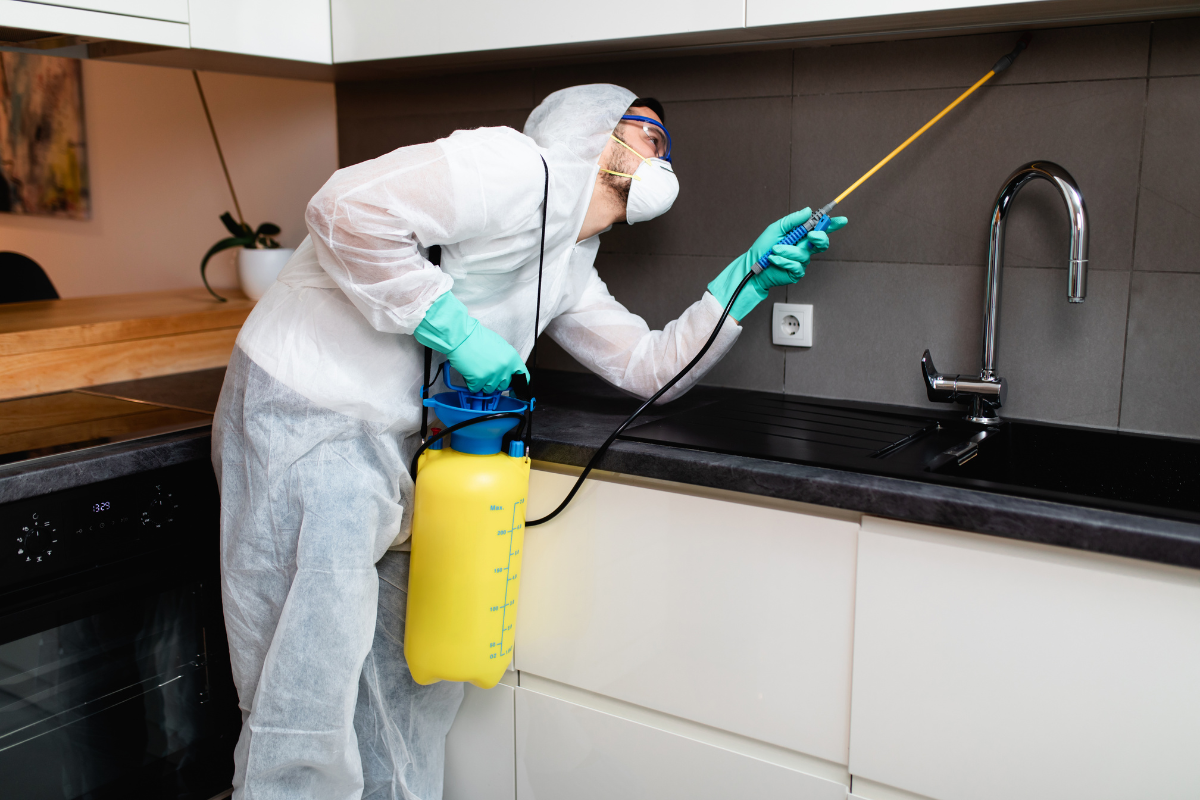
Most people call an exterminator when they see something skitter across the floor. By the time you spot a roach in daylight or hear gnawing in a wall, the population is established and the damage has begun. I’ve spent years in the field walking crawlspaces, attic joists, restaurant kitchens, and suburban patios. The difference between properties on a quarterly schedule and those that only react to problems is night and day. Prevention costs less, causes less disruption, and protects the value of the structure. Quarterly pest control service isn’t a luxury line item, it’s a maintenance strategy on par with changing HVAC filters and cleaning gutters.
The nature of pest pressure
Pest pressure ebbs and flows with the seasons. Spring wakes up overwintering insects and pushes ants to forage. Summer heat sends roaches and rodents toward water sources. Fall drives mice inside as nights cool. Winter slows breeding but concentrates activity in warm interiors. On top of the calendar, weather swings, neighborhood construction, and landscaping changes shift the pressure on a monthly basis.
I once serviced two similar ranch homes a block apart. One homeowner watered nightly and left pet food on the patio. The other ran drip irrigation, stored pet food inside sealed bins, and trimmed shrubs back from the foundation. The first fought ants three times a year and roaches every August. The second had a couple ant flare-ups in spring, nothing more. Same neighborhood, entirely different pressure profiles because of micro-habits. A quarterly pest control company visits often enough to read and respond to these patterns before problems spiral.
Why quarterly beats one-time treatments
A one-time spray can clean up what you’re seeing, but it rarely addresses the sources or the lifecycle of the pest. Most common insects and rodents have overlapping generations. You kill foragers today, more emerge next week from eggs, pupae, or nearby nests. Quarterly pest control service sets up a rhythm that breaks cycles and replenishes protective barriers.
A good pest control contractor uses multi-pronged tactics. Exterior residuals create a perimeter. Baits draw pests out of voids and colonies. Growth regulators interrupt breeding. Exclusion work closes entry points. Follow-ups recalibrate based on what the monitors show. That cadence is the difference between chasing sightings and maintaining control.
There’s a cost angle too. Emergency visits tend to be more expensive than routine maintenance, and the hidden costs of damage can dwarf any service fee. A single squirrel in an attic can ruin $1,000 worth of insulation in a week. German cockroaches multiply so quickly that a neglected kitchen can require multiple heavy treatments and a day of lost business. Quarterly service costs are predictable and spread out, while crisis spending is spiky and stressful.
What a professional quarterly service includes
When homeowners ask what they actually get on a recurring plan, I walk them through the touchpoints. A competent exterminator company isn’t just spraying baseboards. https://erickmovt193.lucialpiazzale.com/why-quarterly-pest-control-service-is-worth-the-investment We’re mapping your property’s risk, then building a defense that’s visible, measurable, and safe to live with.
On the first visit, we inspect. That means roofline to foundation, garage to kitchen, sometimes drain lines if the building design suggests it. We’re looking for conducive conditions: mulch piled against siding, gaps at garage door seals, condensation on HVAC lines, moisture under sinks, cluttered storage, food debris behind appliances, unsealed wall penetrations where utilities enter. We set monitors where needed. We talk with you about what you’ve seen and when. The result is a plan tailored to your property, not a one-size-fits-all routine.
On subsequent quarterly visits, we refresh exterior barriers, service bait stations, check and replace monitors, update any mechanical traps, and adjust placement based on activity trends. We inspect key interior spots: under sinks, behind fridge and range, around the water heater, at attic scuttle openings, and in basements or crawlspaces. If we see a new issue, we act immediately and communicate clearly about options. The goal is prevention, not repeated reaction.
Season by season: how the plan adapts
A quarterly rhythm shines because it tracks pest biology and weather.
Spring is ant season in much of North America. After rains, colonies send out foragers and winged reproductives. We prioritize non-repellent treatments that pass into the colony, plus targeted baits matched to the carbohydrate or protein preference of the species at that time of year. For termites, spring swarms are the red flag. A quarterly visit often catches wing sheddings on window sills or mud tubes on foundation walls before structural damage advances.
Summer treatment focuses on moisture management and heat-driven migration. Roaches move toward kitchens and bathrooms, and wasps expand nests under eaves. Exterior de-webbing and eave dusting reduce spider activity. We focus residuals on shaded areas and entry points, because sun and irrigation degrade products faster. For rodents, irrigation boxes and AC pads can become water sources and shelter. We tighten sanitation and exclusion.
Fall is exclusion season. As temperatures drop, mice and rats investigate garage gaps and utility penetrations. On quarterly schedules, we spot the rub marks and droppings early, then seal gaps with metal flashing, hardware cloth, and door sweeps. For stinging insects, late-season colonies can balloon. We remove nests while populations are still manageable. We also look for conducive leaf litter and woodpiles creeping toward structures.
Winter slows many insects but concentrates what remains. German cockroaches thrive in warm kitchens year-round. Brown-banded roaches prefer electronics and cabinets, so we look higher than usual. Rodents seek nesting materials and can shred attic insulation quickly. We keep traps active and monitoring tight, and we address moisture from condensation and leaks that winter reveals.
The quiet savings: health, structure, and stress
Pest control is not just about removing nuisances. It touches three areas that matter to daily life and property value.
Health risks often track with pest presence. Rodents leave allergens and pathogens on surfaces and in HVAC systems. Roaches are strongly associated with asthma, especially in children, with allergens accumulating in dust and behind appliances. Filth flies can transfer bacteria from trash to food prep areas. Mosquitoes bring bite exposure outdoors and can spread disease in some regions. Quarterly service reduces habitat and intercepts infestations early, which makes a measurable difference in health outcomes over time.
Structural protection is a second, quieter benefit. Carpenter ants, termites, and wood-destroying beetles go unnoticed until damage is expensive. I’ve probed porch posts that crumbled under light pressure because termite tubes hid inside the cavity. Quarterly inspections put human eyes and trained hands on those vulnerable areas, and we often catch high moisture readings or early frass before wood loses integrity.
Then there’s peace of mind. Household routines are fragile. A kitchen overrun by ants before a holiday gathering, or a raccoon in the attic above a nursery, triggers stress that lingers. Routine pest control smooths those spikes. You stop scanning every baseboard and start living in your space again.
Safety and product stewardship
People sometimes worry that “more frequent service” means more pesticide. In practiced hands, the opposite tends to be true. We use a targeted, minimal approach. Better exclusion means fewer interior applications. Correct identification means we pick precise baits that require gram-level quantities. Growth regulators reduce the need for repeated knocks on adult insects.
We rotate products to slow resistance and keep efficacy high. We apply exterior residuals where they remain effective and out of reach of children and pets, focusing on cracks, expansion joints, and weep holes. Inside, we aim for bait placements in inaccessible voids and behind appliances rather than broad sprays. Communication matters: a competent pest control service explains what is being used, why, and where, and provides safety data sheets on request. If your provider can’t answer those questions plainly, look elsewhere.
The math: what quarterly service really costs
Budgets are real. A typical single-family home might spend a few hundred dollars per year for a quarterly plan, more in high-pressure zones or for larger properties. Restaurants and food facilities pay more due to frequency and documentation needs. Stack that against the cost of damages and emergency work.
Termite repairs can climb into five figures, and termite bonds or monitoring plans cost a fraction of that annually. Bed bug reinfestations at multifamily properties can cost thousands and affect occupancy. Even small items add up. Replace an attic’s soiled insulation and you’re often looking at 2,000 to 5,000 dollars. A water-damaged cabinet toe kick, chewed wiring, or a wasp incident that sends someone to urgent care are real costs in time and disruption, not just money.
Predictability is part of the value. Quarterly plans simplify planning and reduce surprise line items, which matters for property managers and homeowners alike.
How to evaluate a pest control company
Not all providers operate the same way. Use a few practical criteria to choose wisely.
- Licensing and insurance: ask for state licenses for the business and technician, plus proof of general liability and workers’ comp. Inspection quality: the first visit should feel like an audit, not a sales pitch. Expect photographs, notes, and specific recommendations. Clear scope and follow-up: know what pests are covered, how re-services work between quarters, and what triggers extra charges. Product transparency: you should hear the names of products, placement strategy, and safety notes in plain language. Evidence of monitoring: look for dated trap cards, bait station logs, or digital service reports with trend data.
Quarterly service hinges on trust. You are granting a contractor access to your property repeatedly. The right exterminator company treats each visit like a professional checkup, not a box to tick.
What quarterly looks like for different property types
Single-family homes benefit from exterior perimeter maintenance, periodic attic or crawlspace checks, and specific focus on kitchens, garages, and bathrooms. Landscaping is a big lever, so coordination with your lawn service matters. Keep mulch back a few inches from siding, avoid dense vegetation touching the house, and repair irrigation overspray that keeps the foundation wet.
Townhomes and condos add shared walls and common areas. The best pest control service coordinates with HOA management so that exterior conditions don’t undermine interior efforts. One unit with German cockroaches can seed neighbors, so a building-wide plan and communication are crucial.
Restaurants and food processors need documented, more frequent service. Monitors, trend reports, corrective action logs, and sanitation partnerships are part of the package. This is not a place for spray-and-pray approaches. Baits, crack and crevice applications, and strict exclusion and sanitation drive success. Quarterly serves as a backbone, but many commercial sites layer in monthly or semi-monthly touchpoints tailored to inspection cycles.
Rental properties require a balance between owner responsibilities and tenant habits. I advise landlords to build quarterly pest control into leases and to educate tenants on sanitation basics and reporting protocols. Fast responses prevent blame games and keep costs contained.
The role of the homeowner or manager
A pest control contractor can do a lot, but the property still sets the stage. The best outcomes come from partnership. You control sanitation, moisture, and access. We control identification, products, and strategy. Align those and problems shrink.
Keep food in sealed containers. Wipe grease from stove sides and under the lip of the counter. Fix drips under sinks quickly. Ventilate attics and crawlspaces to reduce humidity. Seal pet food and rinse bowls at night. Take trash out regularly, and keep bins closed and clean. Store cardboard sparingly, as it provides harborage and cellulose for pests like roaches and silverfish. If you see droppings or wings, capture a sample or a clear photo. Technicians can work faster and with more precision when you provide details.
The question of DIY vs. professional help
DIY products are ubiquitous. Some are excellent tools in the right hands. But the value a professional exterminator brings is pattern recognition and access to professional-grade materials that require licensing and training. A homeowner may lay down a general insecticide around the baseboards and feel safer. Meanwhile, German roaches are multiplying inside the wall voids behind the refrigerator, unfazed. Or a homeowner dusts a wasp nest poorly and drives the colony deeper into a soffit where removal is harder.
I’ve been called to dozens of homes after DIY foggers made problems worse. Foggers drive insects deeper and contaminate surfaces, and they rarely reach the pests’ harborage. A skilled exterminator service uses non-repellent tactics and targeted placements, the kind that solve problems rather than chase them around the house. Quarterly schedules keep those tactics tuned to the season and the current pressure.
Environmental considerations and modern practices
The industry has shifted toward Integrated Pest Management, or IPM, for good reason. IPM prioritizes inspection, identification, and exclusion, then uses targeted chemistry only when necessary. Quarterly service is an ideal platform for IPM because it builds in regular assessment and continuous improvement. We measure results, we adapt, and we escalate only when the data support it.
For example, in an office complex with recurring ant issues, we replaced broad exterior sprays with a combination of door sweep upgrades, irrigation timing changes, and non-repellent baits laid at foraging trails. Activity dropped within two weeks and stayed low all summer, with less product applied overall. That’s IPM in practice, and it dovetails with property sustainability goals.
Red flags that your program needs an upgrade
If you’re already on a plan but still seeing frequent issues, look for a few warning signs that suggest it’s time to reassess your pest control company.
Technicians arrive and finish in minutes without inspecting or communicating. Service reports are vague and repeat identical notes month after month. The company treats the same area repeatedly without identifying why the problem persists. You rarely see exterior work like de-webbing, bait station checks, or exclusion recommendations. The provider never asks about changes onsite, like new pets, renovations, or landscaping adjustments. Good service is dynamic. If your program feels static, you’re paying for a routine, not results.
What a first year on quarterly service typically achieves
In the first quarter, we stabilize. We reduce active infestations to a manageable baseline and implement quick wins like sealing obvious gaps and setting monitors. In the second quarter, we target seasonal hotspots with precision, often dialing in ant and roach pressure. By the third quarter, trend data shape refinements, and we often reduce interior treatments because monitors show low activity. By the fourth quarter, the property has a tailored playbook. Entry points are addressed, moisture habits improved, and exterior barriers tuned. From there, it’s maintenance and quick response to outliers like construction next door or a wet season.
This timeline isn’t a guarantee, but it reflects what I’ve seen on hundreds of accounts. The longer a property stays on a quarterly regimen, the fewer surprises show up, and the lower the total cost of control per year.
How to prepare for a quarterly visit
- Clear access to high-need areas: under sinks, behind trash cans, the water heater, the attic hatch, and along garage walls. Secure pets and communicate any sensitivities or allergies in the household. Note sightings with dates, times, and locations, and share photos if you have them. Avoid heavy cleaning on treated areas for 24 to 48 hours unless your technician advises otherwise. If you irrigate, hold off watering the foundation line on service day to preserve exterior treatments.
A little preparation lets the technician do better work in less time, and it protects the effectiveness of the products used.
The bottom line
Quarterly pest control is proactive maintenance that keeps herds thin and pressure low, which is the only reliable way to protect a property without overusing chemicals or suffering through cycles of crisis. It’s not a magic shield, and even the best program needs your participation on sanitation and minor repairs. But with a good exterminator service, the rhythm of quarterly visits builds a defensive posture that holds up through the seasons and adapts to changes around your home or business.
I’ve seen homes go from monthly roach sightings to none in two quarters. I’ve seen restaurants pass tough audits because monitors and logbooks documented steady control. I’ve seen families sleep again once the attic scratching stopped for good. That’s the real return on investment. You spend a manageable amount on a reliable pest control service, and you get healthier air, sounder structures, calmer days, and fewer surprises. If you value those outcomes, quarterly service is worth every penny.
Clements Pest Control Services Inc
Address: 8600 Commodity Cir Suite 159, Orlando, FL 32819
Phone: (407) 277-7378
Website: https://www.clementspestcontrol.com/central-florida